

Alt text: Lound About Inclusion Logo
Hi there!
Welcome to the April edition of Loud About Inclusion.
With Autism Acceptance Month throughout April, many organisations are focused on "awareness." But for many employees - particularly those with disabilities or who are neurodivergent - the biggest barrier to inclusion isn't a lack of awareness; it’s a lack of psychological safety.
This month, we’re looking at the "Speak Up" culture. We often tell employees to "bring their whole selves to work," but we rarely calculate the personal risk involved in doing so. When the cost of disclosing a need feels higher than the benefit of receiving support, people stay silent.
We’re diving into why safety is an operational requirement, the physical toll of "masking," and how leaders can move from gatekeeping to facilitating.
If you ever want to share how your organisation is building safety, just hit reply. I read every response.

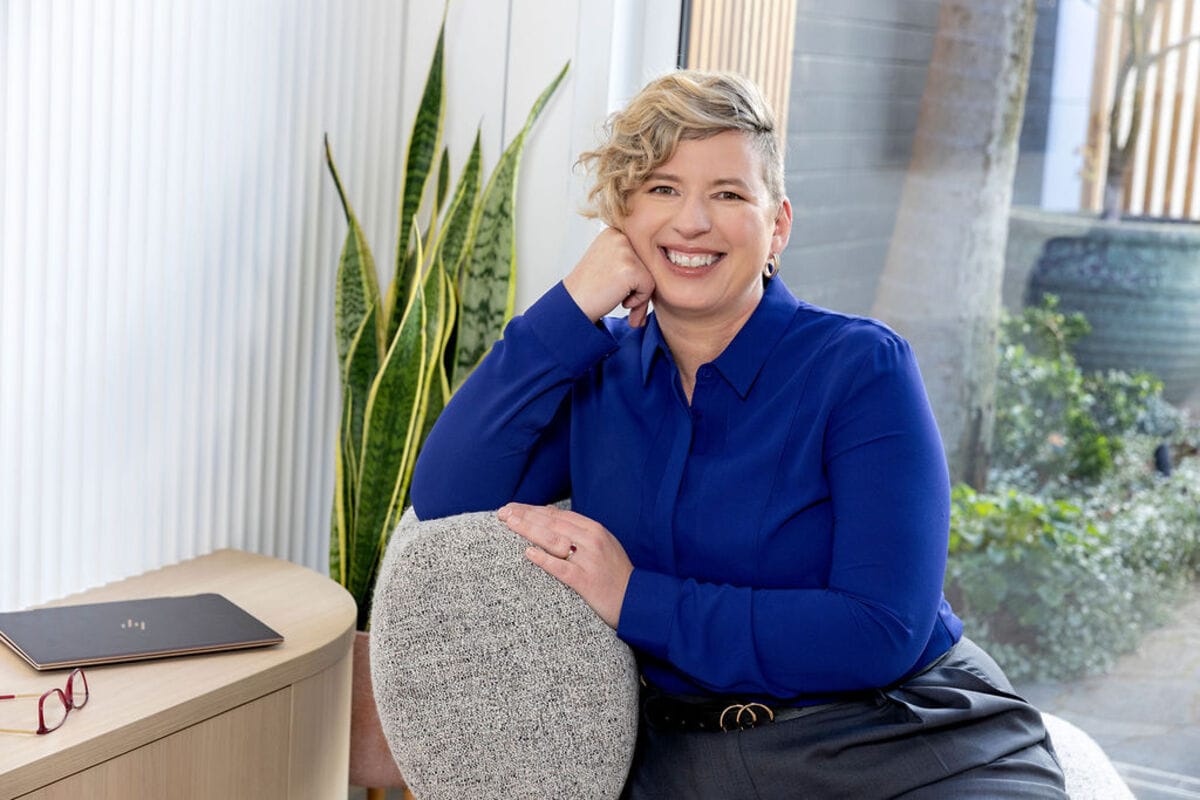
Melissa Ogden, Founder & Director of Inclusive Business Solutions
At a Glance
The Big Idea: Psychological safety isn't a "soft" cultural goal; it’s the foundation of disclosure. People don't speak up when the environment makes the "cost" of being different feel too high.
Lived Experience: The "Cognitive Overload" of silence - how hiding a disability to feel "worthy" of a job leads to physical exhaustion and burnout.
Inclusive Practice: Audit your adjustment "friction." If your process requires mountain-high paperwork, you are inadvertently telling your team that support is a burden, not a right.
Feature Article
Beyond “Speak Up” - Building True Safety in Australian Workplaces

We’ve all seen the posters in the breakroom: "Your voice matters. Speak up!" But in many Australian workplaces, "speaking up" about a disability or an adjustment need feels like a high-stakes gamble.
Recent data from the Diversity Council Australia (DCA) shows that while many organisations have inclusion policies, employees with disability still report significantly lower levels of inclusion and higher levels of exclusion than those without disability.
For a disabled employee, the calculation is simple: If I disclose my need, will I be seen as "difficult"? Will I lose out on that promotion? Will my manager treat me like a "problem to be solved"?
The ‘Masking’ Tax
In Australia, we pride ourselves on a "fair go," yet many employees spend their entire workday "masking"—suppressing their natural traits or hiding their disabilities to fit a narrow definition of "professionalism."
This isn't just a social effort; it is a massive drain on productivity.

When an employee is using 40% of their brain power just to appear "typical" or to catch sounds in an inaccessible office, they only have 60% left for the job you hired them to do. We are effectively taxing our most diverse talent for the "privilege" of fitting in.
What to do: A Safety-First Reset
Standardise the Response: Train managers to respond to any disclosure with two words: "Of course." The goal is to remove the "angst" from the conversation immediately.
Reduce the "Paperwork Friction": Review your internal adjustment processes. If an employee has to fill out five forms for a $50 piece of equipment, your system is broken.
Model Vulnerability from the Top: When senior leaders talk openly about their own needs, it signals that the "cost" of disclosure is zero.
My experience
The Physical Toll of Silence

The Physical Toll of Silence
For a large part of my early career, I did not disclose my deafness unless I was absolutely required to. This was a survival tactic born from my school years, where wearing hearing aids meant being treated as "less than." I carried that fear into the office, convinced that hiding my disability was the only way to be seen as "worthy" of my seat at the table.
The result was a crushing cognitive overload. I spent every meeting "switched on" -straining for sound, tracking visual cues, and obsessively ensuring I didn't miss a word. It was physically depleting. I was constantly run down, frequently sick, and living in a state of perpetual exhaustion. I was working twice as hard just to stay at the baseline.
The Shift to Advocacy
In recent years, I have become more accepting of my own disability. I can now request accommodations with much less angst, though I still get annoyed by the onerous paperwork some systems require.
What changed? I realised that most people genuinely want to help, but the systems often make it hard. When I finally started talking about it, the fear of being ostracised began to fade, replaced by the relief of finally being able to do my job without the "mask."
This month’s Inclusion Play
The Quick Play: Swap "Let me know if you need anything" for "What is one small change to our workflow that would make your day easier?" Specificity creates safety.
The Team Play: Normalise "Check-in Rituals." At the start of projects, ask everyone to share one thing that helps them work at their best.
The Leader Play: Audit your "Friction." Look at your accommodation process. If it feels like an interrogation, change it to a "facilitation" model.
Inclusion Win
The Power of "Of Course"
This month’s win comes from a reader who finally asked for a review of their workspace acoustics.
Instead of a long debate about budgets, their manager simply said, "Of course," and introduced them to the person who could facilitate the change. He also reassured them that he had the authority to approve any purchases required.
The Impact: "I finally didn't feel like I had to fight for an outcome anymore," they shared. "The sense of relief was immediate."
Coming Next Month
Next month, we are tackling Mental Health & Burnout. We’ll be looking at why burnout is a systems issue, not a personal failure, and how to rebalance workloads for sustainable inclusion.
Work with me
Build Confidence in Your Leaders.
Are your managers nervous about "saying the wrong thing" during accommodation discussions? I run targeted Leadership Sessions to help teams move past the angst and lead with practical, supportive confidence.
About Melissa Ogden
Melissa Ogden provides leaders with practical insights into workplace inclusion. Combining lived experience as a profoundly deaf business professional with strategic planning and commercial management experience across multiple industries, she helps leaders through advisory, consulting and workshops tailored to meet the business exactly where it is in its journey.

If this newsletter is useful, please forward it to someone who owns planning, people ops, or team operations and invite them to subscribe.