
Alt text: Lound About Inclusion Logo
Hi there!
Welcome to the March edition of Loud About Inclusion.
With Neurodiversity Celebration Week approaching (mid-March), many workplaces are hosting lunch-and-learns or sharing awareness posts. While awareness is a start, true neuro-inclusion is an operational challenge. It’s about how we design work, how we communicate, and how we define "performance."
This month, we’re moving beyond awareness to look at the systems that create unnecessary barriers - and how a few shifts in clarity and flexibility can unlock the potential of your entire team.
If you ever want to tell me what your workplace is wrestling with, just hit reply. I read every response.

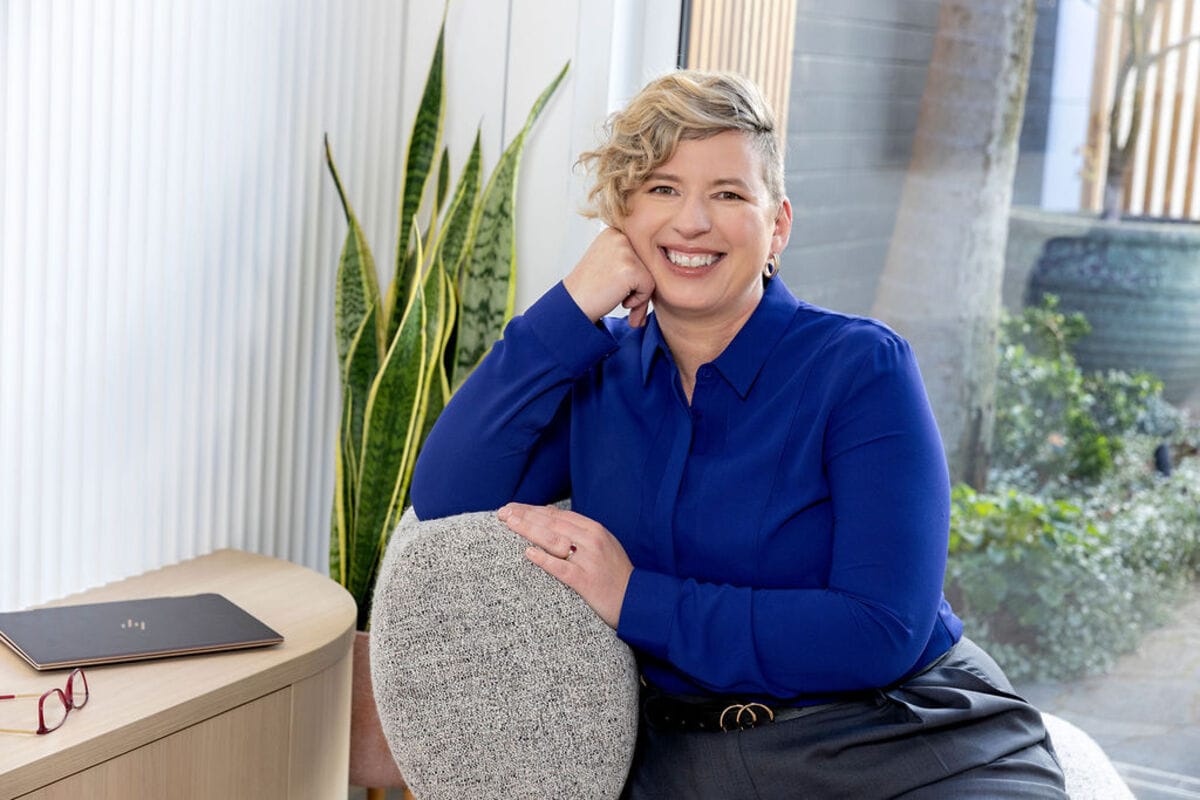
Melissa Ogden, Founder & Director of Inclusive Business Solutions
At a Glance
The Big Idea: Inclusion works when we stop treating "difference" as a problem to be solved and start treating it as a design requirement. Whether it's neurodiversity or hearing loss, the barriers are often built into our environments, not the people.
Lived Experience: Why "sightlines are lifelines" and how a saved seat in a meeting room can be the difference between participation and exclusion.
Inclusive Practice: Run a "Sightlines & Structures" audit on your next team meeting to ensure everyone- Deaf, hard-of-hearing, or neurodivergent - can actually follow the conversation.
Feature Article

Beyond Awareness - Designing for Cognitive Diversity in Australian Workplaces
With Neurodiversity Celebration Week on the horizon, many organisations are planning awareness events. Awareness is important- but in Australia, the numbers tell us that awareness on its own isn’t working.
Australian Catholic University research highlights that while 15–20% of the global population is neurodivergent, employment participation for autistic people remains extremely low. Australian Bureau of Statistics data shows around 94,600 working‑age Australians are autistic, with unemployment at 34.1%, compared with about 4.1% in the general population (ACU / ABS). That’s a stadium full of talent sitting on the side-lines.
At the same time, the Australian Public Service’s latest Employee Census found 8.8% of APS employees identify as neurodivergent, with a further 9.3% saying they may be (APSC). When nearly one in five people either identify as or suspect they’re neurodivergent, this isn’t a niche topic. It’s core workforce design.
The “Professionalism” Trap
In many Australian workplaces, “professionalism” is still defined in narrow ways: speaking up quickly in meetings, being “always on” in open‑plan offices, and maintaining eye contact. For many neurodivergent people, these expectations are barriers. When strengths like pattern recognition or creative problem-solving are overlooked because someone doesn't "perform professionalism" in the expected way, we misdiagnose a systems mismatch as a performance problem.
What To Do: A Neuro-inclusive Design Reset
Audit the Hidden Criteria: Are you asking for “exceptional verbal communication” for roles that don’t truly require it? Strip out criteria that are proxies for neurotypical style rather than actual role outcomes.
Standardise Role Clarity: Ambiguity disproportionately harms neurodivergent employees. Provide written briefs with clear “what good looks like” examples. Clear expectations are just good management.
Offer Communication Choice: Send agendas 24 hours in advance. Allow written updates for those who find real‑time verbal processing difficult. Make “camera optional” a standard norm.
The Bottom Line for Australian Organisations
Between ABS employment figures, ACU’s research, and case studies from Australian employers, the pattern is clear: when we neglect neurodiversity, we waste talent and increase turnover; when we design for it, we gain commitment, capability, and competitive advantage.
In a labour market where skills shortages are biting and burnout is rising, we can’t afford to make inclusion conditional on who best fits an outdated model of “professionalism.” Neuro-inclusion is not about extra work for a small group; it’s about building systems that recognise how many of us already think and work differently.
Design for that reality - and you won’t just support neurodivergent employees. You’ll build a workplace where everyone can do their best work, more of the time.

Go Deeper: Unlock the March Inclusion Toolkit
If you’ve been reading Loud About Inclusion for a while, you’ll know this newsletter is about moving beyond "good intentions" to practical, everyday action.
This month, we’ve explored how sightlines and structures can transform a meeting from exclusionary to empowering. But I know the next question for many leaders is: “How do I actually implement this across my whole team?”
That is exactly why I created Loud About Inclusion (Premium). It’s designed for the "doers" - the leaders and change-makers who want the ready-to-use tools to make these shifts happen faster.
The March Master Tool: The Role Clarity & Communication Template
A downloadable, editable framework to help you strip ambiguity out of your team’s roles. Use it in your next 1:1 to ensure every team member - neurodivergent or otherwise - knows exactly what "good" looks like.Exclusive Video: "Setting the Table"
A 5-minute deep dive where I share more about my personal setup as a Deaf professional and how you can spot the "hidden" sensory barriers in your own office or Zoom calls.The Growing Resource Library
Immediate access to our previous audit checklists, planning templates, and implementation guides.
Special Founding Member Offer
We are still in the early stages of building this resource hub, and I want to reward those who join us at the start. Founding Members help shape the future tools we build and lock in a lower rate for the life of their subscription.
Annual Subscription: $149 p/a
Founding Member Annual Rate: $129 p/a (Locked in while you remain subscribed)
Monthly Option: $15 p/m
How to join
It takes less than two minutes to upgrade and unlock this month’s toolkit:
Thank you for being part of this community—and for choosing to do the work of making inclusion real.
My experience

The View from the Table
For much of my career, the simple act of attending a meeting has been a high-stakes exercise in logistics. As someone who is profoundly deaf, my ability to "hear" is entirely dependent on my ability to see. If I can’t see your face, I can’t follow your contribution.
In the early days of joining a new team, I often encountered the "unwritten rules" of the meeting room - the set seats where people always sit, or the awkward corner left for the newcomer. I’ve spent many sessions feeling that familiar rise of frustration and annoyance, wanting desperately to contribute but being physically blocked from the conversation because I couldn't see the speakers.
I’ve learned that the most powerful tool I have is a proactive conversation. When I reach out to a meeting organiser in advance and say, "I need a specific spot saved where I can see everyone’s faces," the outcome is almost always positive. Or, if it’s a large, multi-site meeting where sightlines are impossible, I’ll request to join online. There, closed captions become my bridge to full participation.
The Neuro-inclusion Overlap
While my experience is rooted in being Deaf, the solutions I rely on are the exact same ones that unlock the potential of neurodivergent team members.
When we provide a structured meeting format, we aren't just helping me follow the flow; we are helping an ADHD colleague stay on track. When we provide visual information and written summaries, we aren't just giving me a reference point; we are supporting a dyslexic or autistic colleague who processes information better through sight than sound.
The Lesson for Leaders
If there is one thing I’ve learned, it’s this: Never assume that silence means everything is working.
Often, when a team member isn't contributing, it isn't because they don't have an idea - it’s because the environment has built a wall between them and the conversation.
Don't wait for a "problem" to arise. Proactively check in with your team. Ask: "Is the way we are communicating today actually working for you?" It’s a small question that can dismantle a massive barrier.
This Month’s Inclusion Play
The Quick Play: Before you start, do a 30-second "Visual Check." Can everyone see the face of the person speaking? Sightlines are lifelines for communication.
The Team Play: Normalise the "Saved Seat." If a team member needs a specific location to lip-read or reduce sensory overwhelm, make it a team standard that their spot is always available.
The Leader Play: Don’t assume silence means everything is working. Ask: "In our team meetings, is there anything about the way we share information that makes it hard for you to follow?"
Inclusion Win
As we grow the Loud About Inclusion community, I want this space to be a place where we celebrate your real-world progress. Inclusion isn't about being perfect; it’s about the small, deliberate shifts that make a massive difference to someone’s workday.
The Challenge:
This month, I’m looking for your "Inclusion Wins." Did you change a meeting format that helped a colleague participate? Did you audit a job description and find a hidden barrier? Did you have a "lightbulb moment" after a conversation with a neurodivergent team member?
How to share:
Simply hit Reply to this email and tell me about one small change you’ve made and the impact it had. I’ll be featuring the most impactful (and authentic!) stories in our upcoming editions.
Let’s move beyond theory and start sharing the practices that actually work in Australian workplaces.
Coming Next Month
Next month, we are moving from how we work together to how we find each other. We’ll be diving into Inclusive Recruitment, looking at:
The "Culture Fit" Myth: Why hiring for "fit" is often just a proxy for hiring people who look and think exactly like you.
Skills-Based Assessment: How to move away from the traditional (and often biased) interview and toward demonstrations of actual capability.
The Onboarding Gap: Why the first 90 days are the most critical for retention of diverse talent.
Don't miss it - we'll be sharing a "Job Description Audit" tool to help you strip the bias out of your next hire.
Work with me
Let’s solve one barrier this month.
Not sure where to start with neuro-inclusion or accessibility? Let’s spend 45 minutes identifying the "low-hanging fruit" in your current team setup.
Grab a strategy spot here and let’s get your team communicating with clarity.
About Melissa Ogden
Melissa Ogden provides leaders with practical insights into workplace inclusion. Combining lived experience as a profoundly deaf business professional with strategic planning and commercial management experience across multiple industries, she helps leaders through advisory, consulting and workshops tailored to meet the business exactly where it is in its journey.

If this newsletter is useful, please forward it to someone who owns planning, people ops, or team operations and invite them to subscribe.