
Alt text: Lound About Inclusion Logo
Hi there!
Welcome to Loud About Inclusion and welcome to our new home on Beehiiv. If you’ve been reading since Substack, thank you for being part of this from the beginning. If you’re new here, I’m so glad you’ve found us.
I’ve refreshed the look and structure so each edition is easier to skim, easier to act on, and easier to share - while staying grounded in what matters most: practical disability inclusion in real workplaces, supported by lived experience.
If you’re setting goals right now, here’s the truth most workplaces miss: inclusion doesn’t fail because people don’t care - it fails because it isn’t owned, measured, or built into how work actually gets done.
This month is about foundations: a practical way to set a small number of inclusion outcomes and make them real.
If you ever want to tell me what your workplace is wrestling with, just hit reply. I read every response.

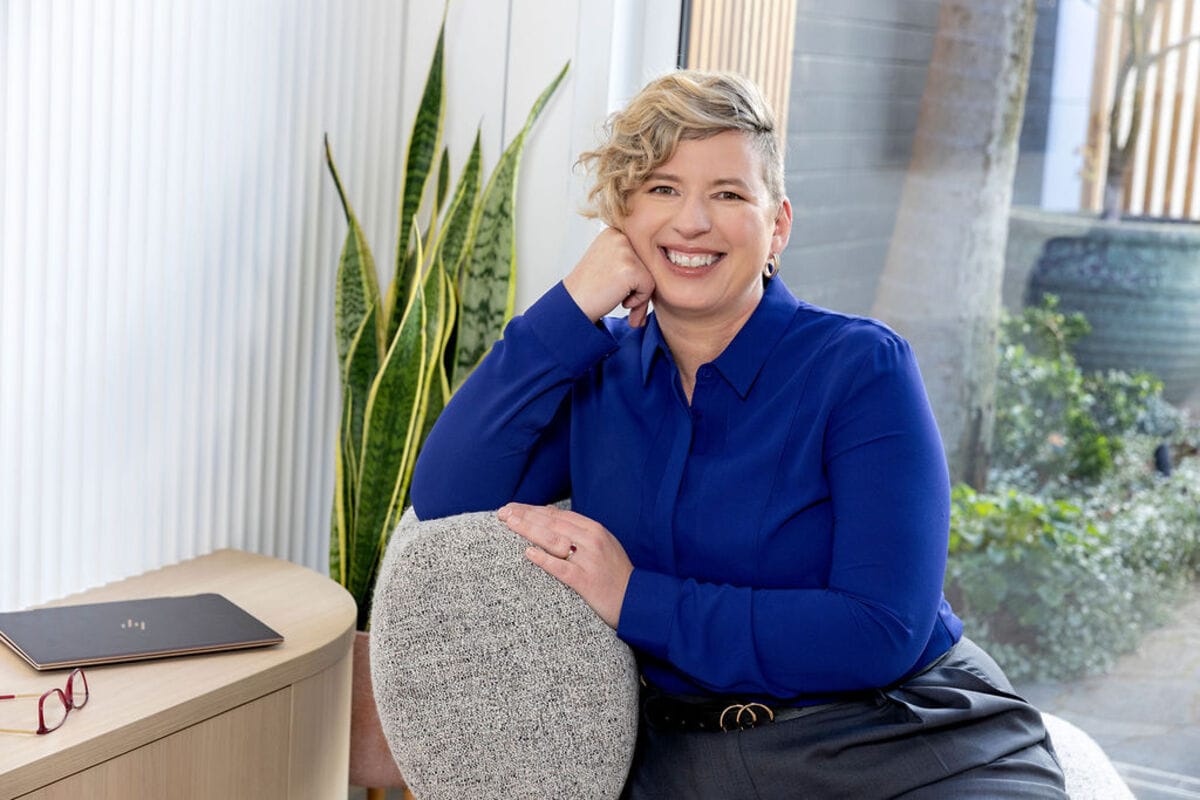
Melissa Ogden, Founder & Director of Inclusive Business Solutions
At a Glance
Big Idea: Inclusion works when it’s owned, measured and embedded in everyday operations
Lived experience: The difference between being ‘supported’ in theory and enabled in practice
Inclusive Practice: Set 2 -3 inclusion outcomes, assign owners and schedule quarterly check-ins
Feature Article
The 2026 inclusion plan that won’t disappear by March

Alt text: A book with a list of items and a hand holding a pen as if to write
Each year we start out with good intentions and set ourselves goals. However, often these don’t progress from intent to action.
In this article, we will explore why good intentions often fail to progress to meaningful actions and discuss 5 steps that can be taken to drive outcomes for an annual inclusion plan.
Why it matters
Many inclusion plans look great on paper - then quietly fade because no one is accountable, progress isn’t visible, and day-to-day decisions don’t change. When that happens, the impact lands on the people who need inclusion most.
If you want disability inclusion to stick, treat it like any other operational priority and apply clear outcomes, named owners, and a rhythm for review.
What to do (a simple 60-minute setup)
Step 1: Pick 2–3 measurable inclusion outcomes
Inclusion outcomes needs to be specific, measurable, achievable, relevant and time-bound (SMART). Choose outcomes that describe what will be different by the end of the year. Here are some examples that you can tailor:
Adjustments: “Reduce adjustment turnaround time to X days on average.”
Accessibility: “100% of all-hands meetings include captions + accessible slides.”
Hiring: “All roles have an accessible application pathway + alternative formats on request.”
Leadership: “Each leader has one inclusion KPI tied to team routines.”
Step 2: Assign one owner per outcome
The owner must be a real person, not a committee. The owner’s job is to coordinate progress and remove blockers, not do everything themselves. This is the person that will be responsible for ensuring that the outcome is achieved within the agreed timeline.
Step 3: Define “proof” (how you’ll know it’s working).
Use a mix of:
Operational metrics: turnaround times, completion rates, coverage (e.g., % meetings captioned)
Experience signals: a short inclusion pulse check (“I can get adjustments without friction”)
Step 4: Put quarterly check-ins on the calendar now.
Add 4 dates, write the agenda in the invite:
What changed this quarter?
What got in the way?
What are we doing next (owners + deadlines)?
Step 5: Build it into existing workflows.
If inclusion is “extra,” it will always lose. Embed it into:
team meeting norms
onboarding
procurement (accessibility requirements)
leader KPIs and performance conversations
A final note: smaller and owned beats bigger and vague. Every time.
My experience
When ‘supportive’ wasn’t enough

Alt text: Two hands reaching towards each other across a void between cement walls
I once started a new role that relied heavily on conference-call meetings. To participate properly, I needed closed captions - either switched on in the existing meeting tool or uploaded from my own captioning software. This wasn’t a preference; it was the difference between being able to follow discussions in real time or constantly playing catch-up.
On the surface, the response was supportive. My manager and the teams I approached across IT and operations all agreed captions were reasonable. Everyone said the right things.
But every time I asked for progress, a new barrier appeared: “It’s not how the tool is configured,” or “That’s not our policy.” No one challenged those barriers. No one sought an exemption.
Months passed. At one point, I was advised by my manager not to escalate the issue, and to be patient while it was “worked through.” Eventually, I stopped asking - not because the issue was resolved, but because it became clear it wasn’t going to be.
What struck me most was this: an owner had technically been assigned, but there was no accountability. No timeline. No authority to push back on policy. No process to challenge decisions. Despite the goodwill, nothing changed.
That’s the gap between being supported in theory and enabled in practice. It’s why I’m so passionate about building foundations that actually hold up.
This month’s Inclusion Play
Quick (10 mins): Pick one inclusive meeting norm to introduce this week, like sending agendas in advance or turning captions on by default.
Team (30 mins): In your next meeting, agree on how you’ll communicate (written-first vs. meeting-first) and how you’ll flag access needs without friction.
Leader (This week): Add one inclusion KPI to your 2026 scorecard - even if it’s as simple as "100% response rate to adjustment requests within 48 hours."
Pulse Poll
Inclusion Win
Have you made a start-of-year inclusion commitment—big or small?
Reply and share:
the change you’re making
who owns it
what “done” looks like
For example:
“This year we’re making captions standard in all-hands meetings, and our People Ops lead owns implementation by end of Q1.”
Coming Next Month
Next month: Accessibility Is Not Optional. We’re diving into accessibility basics and the quick digital fixes that remove daily friction fast
Watch this space: We will be expanding the newsletter to include exclusive content for paid subscribers… more to be revealed in February!
Work with me
If you want to start 2026 with a plan that’s owned, measurable, and realistic:
Book a 60-minute Inclusion Planning Sprint
In one session, we’ll set 2 - 3 outcomes, assign owners, and map your quarterly check-in rhythm. To find out more, book an obligation-free discovery call with me this month.
About Melissa Ogden
Melissa Ogden provides leaders with practical insights into workplace inclusion. Combining lived experience as a profoundly deaf business professional with strategic planning and commercial management experience across multiple industries, she helps leaders through advisory, consulting and workshops tailored to meet the business exactly where it is in its journey.

If this newsletter is useful, please forward it to someone who owns planning, people ops, or team operations and invite them to subscribe.